Revision of Maritime ETS offers opportunities, but much still needs to be worked out

The KVNR has taken note of the proposal presented today by the European Commission for the revision of
Availability and affordability of clean ship fuels recognised as essential by Brussels
The KVNR welcomes the fact that the European Commission acknowledges that scaling up cleaner ship fuels is necessary to advance the transition, and explicitly calls for ETS revenues to be used for this purpose. Brussels itself intends to reserve substantial funding for this in the coming years. Both the Commission and the KVNR emphasise that national governments should also ensure that ETS revenues flow back into the greening of the maritime sector.
Expansion of scope to smaller vessels, but with reduced administrative burden
The proposal also includes lowering the threshold to 400
No double pricing of CO₂ emissions once the IMO introduces a measure
For the Dutch maritime sector, alignment with international regulation via the International Maritime Organization (
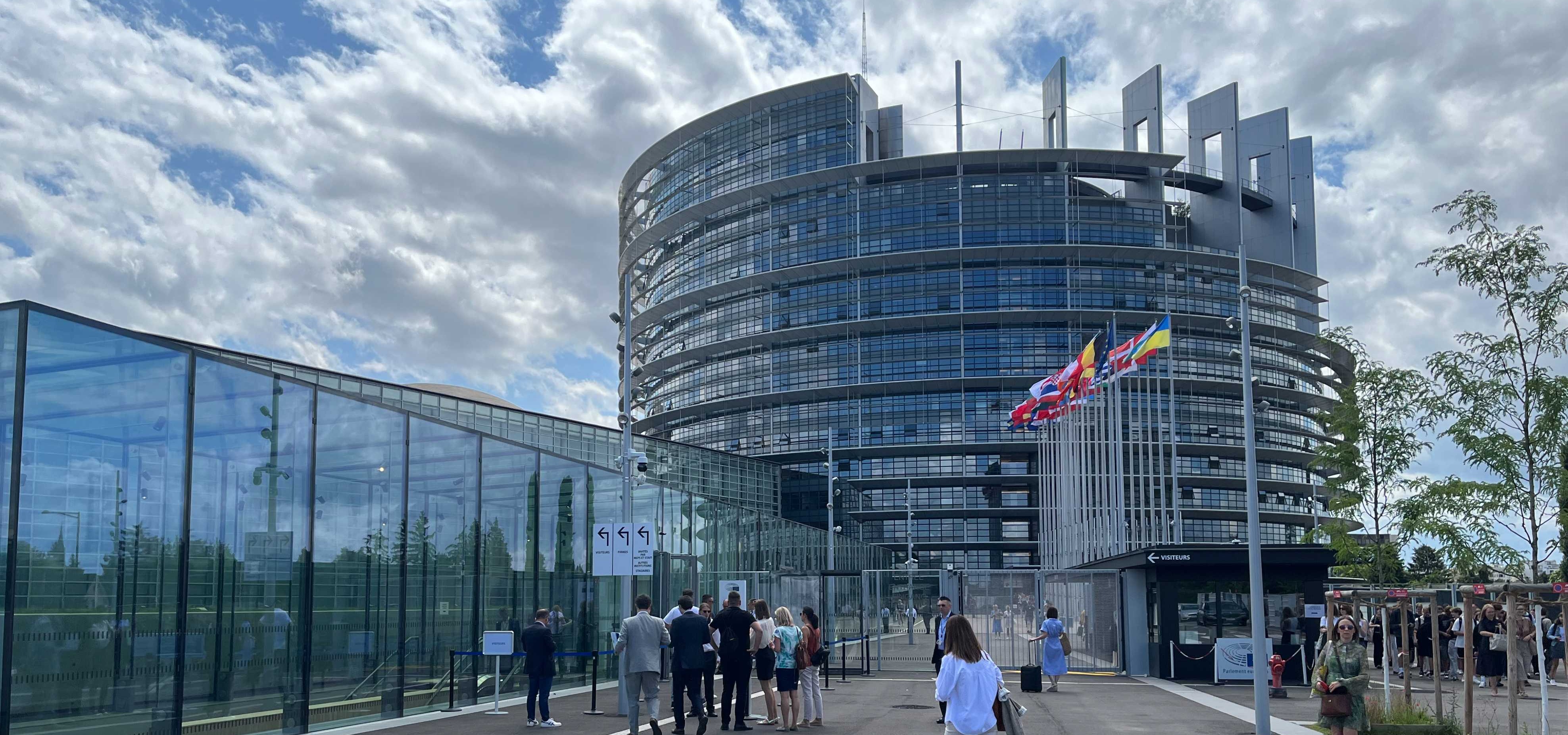
European Parliament and EU Member States must still endorse the proposal
It is now a matter of awaiting further elaboration to properly assess the impact on the (Dutch) maritime sector. After the summer and throughout the autumn, the European Parliament and the Council of the EU (the 27 Member States) will examine the Commission’s proposal. Many amendments can be expected during these negotiations. By late 2026 or early 2027, more clarity should emerge on what Maritime ETS — and other ETS sectors — will look like in the years ahead.