Frontrunners Speaking: Johan Boomsma, Boomsma Shipping
For the second edition of Pioneers Speaking, we talk to Johan Boomsma, director and co-owner of Boomsma Shipping. As a well-known and involved figure within the KVNR, Johan has been active in Dutch shipping for many years. With his strong focus on innovation and sustainability, choosing him as the dialogue partner for this second edition was an easy decision. We spoke with him about entrepreneurship, the energy transition, and the future of Dutch shipping.
Who is Johan Boomsma?
I am Johan Boomsma, director and co-owner of Boomsma Shipping in Sneek. As a family business, we are mainly active in European short sea shipping and provide transport solutions for various industries.
What makes this industry so fascinating is its dynamic nature, the continuous drive to push boundaries, and the constantly evolving environment. It is also rewarding to be actively involved in shaping discussions about the future of Dutch shipping and the sustainability of our sector.
What personally motivates you to work in the maritime sector?
The maritime sector is a unique combination of entrepreneurship, technology, and international trade. No day is the same. What motivates me most is that shipping is indispensable for our economy, while at the same time we face the challenge of significantly making our sector more sustainable. The opportunity to truly make an impact on transport emissions with innovative solutions is very energizing
In what ways is Boomsma Shipping, in your opinion, a pioneer?
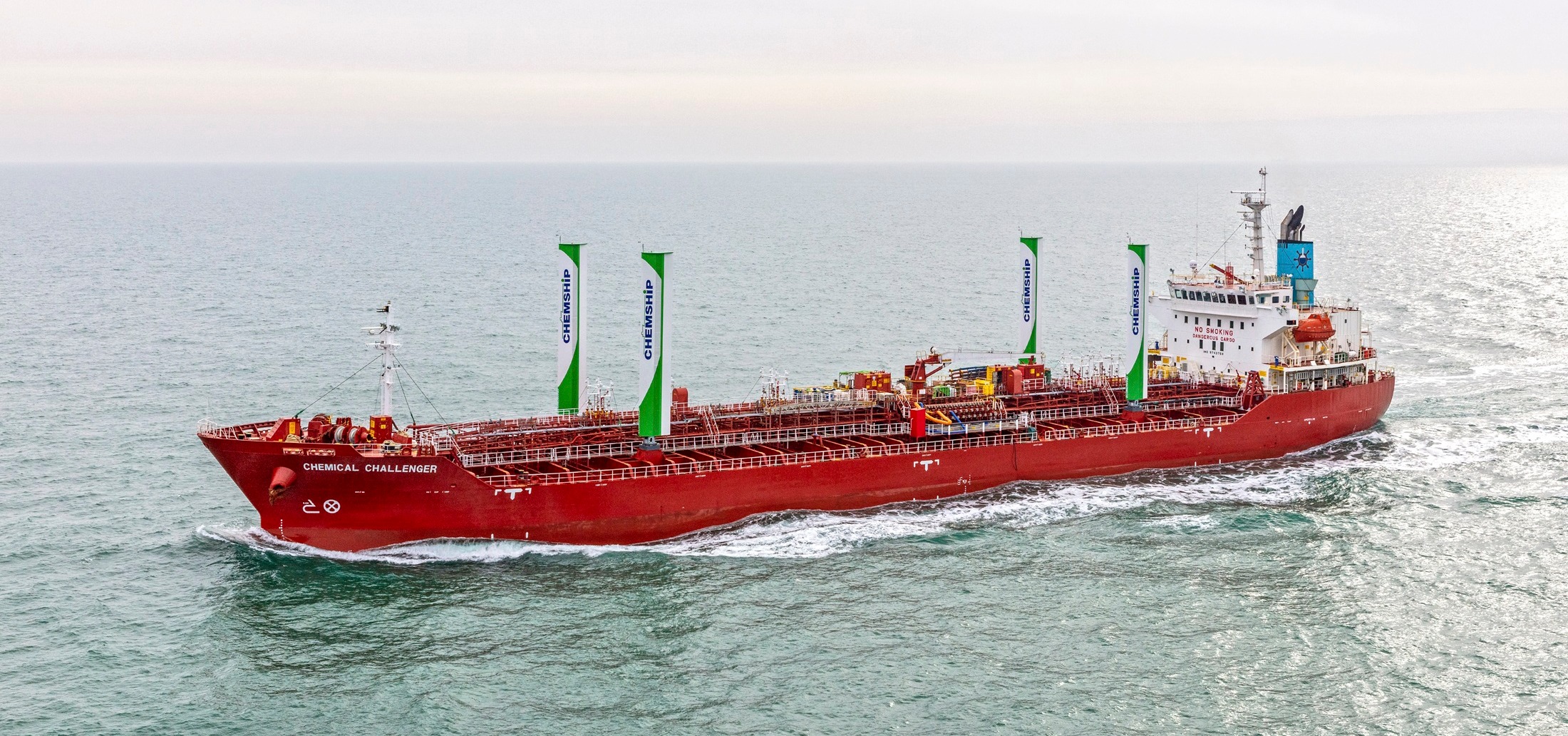
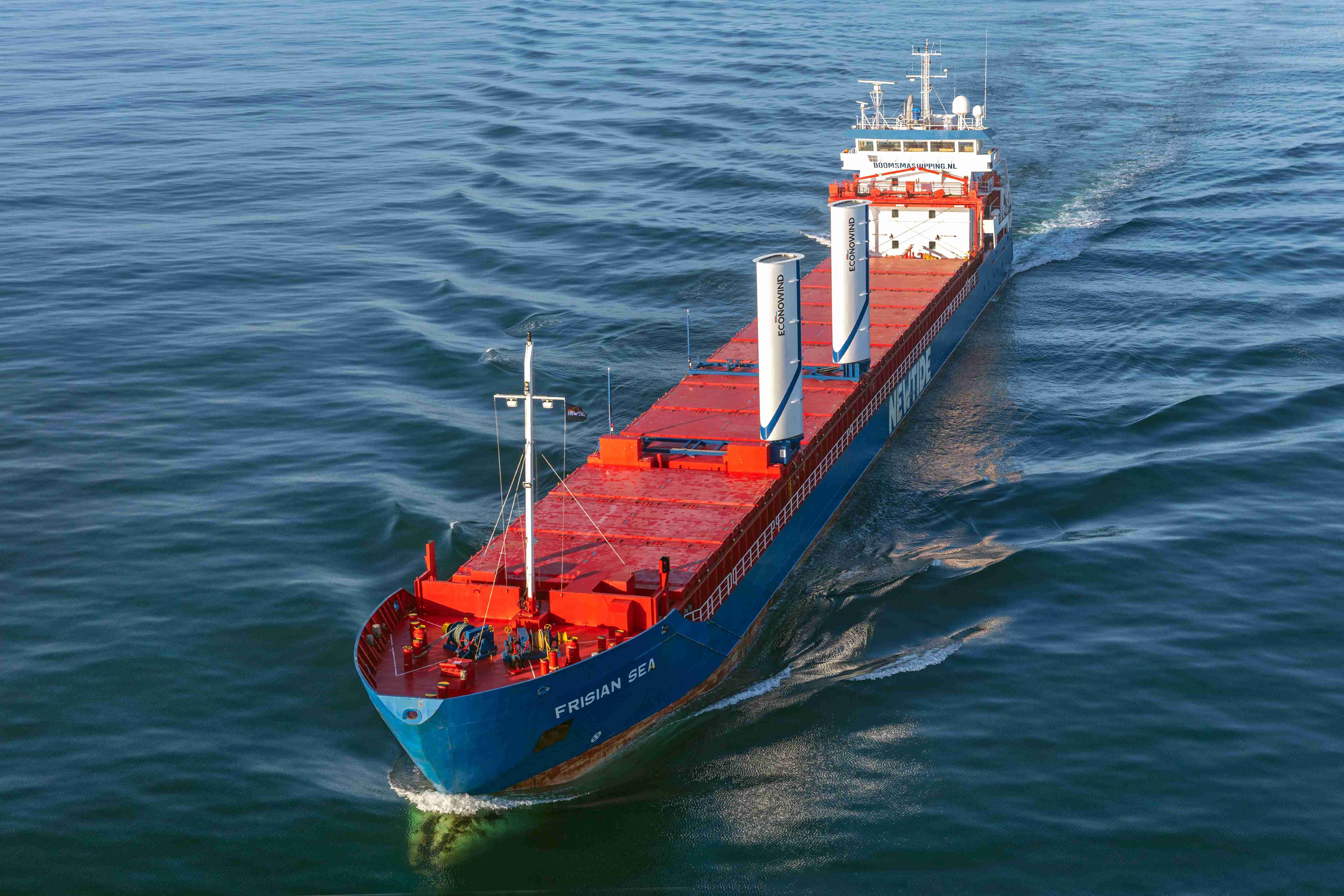
Boomsma Shipping is particularly leading in the practical application of sustainability. We don't just look at future technologies; we also implement solutions that already contribute to emission reduction today. A good example is our investment in wind-assisted propulsion, which we made over seven years ago. With this, we were literally one of the first ten companies worldwide to actively engage in this.
By combining innovative wind-assisted propulsion with operational optimisation, we demonstrate that sustainability and economic viability can go hand in hand. This aligns closely with our long-standing focus on continuously improving fuel efficiency per transport performance. We have been committed to this approach since 2005.
Which project or result of Boomsma Shipping are you most proud of?
I am particularly proud of the modernization and sustainability improvements of our fleet in recent years. It's not just about technical investments, but also about creating a team and culture where innovation is a given. The team at the office and on board work together to make a difference. Together with customers and suppliers, we can take steps towards more sustainable transport. This creates a total result that is much greater than a single individual project.
How do you as an organization stay ahead in a rapidly changing sector?
By listening carefully to customers, staying curious, and looking ahead. We invest a lot of time in following technical developments, regulations, and market changes. At the same time, we remain critical: not every innovation is automatically a good solution. By testing new ideas, collaborating with suppliers, knowledge institutions, and customers, and always keeping an eye on practicality, we can make well-informed choices.
What do you believe is needed to make the sector future-proof?
There is a need for a stable and predictable investment climate. Sustainability requires significant investments with a long payback period. Entrepreneurs must be able to rely on consistent regulations and a level playing field within Europe, but preferably globally. Moreover, collaboration and retention of knowledge in the supply chain are essential. Shipping companies, shipbuilders, and suppliers must join forces to successfully achieve the energy transition. Governments can and must do more to encourage and facilitate, with a greater focus on SMEs.
What tip would you give to improve the maritime business climate in the Netherlands?
Ensure that revenues from European climate measures actually flow back into the maritime sector's sustainability efforts. Dutch shipowners contribute significantly to these funds through the EU ETS. If a substantial part of these resources are made available for innovation, greening, and fleet renewal, the Netherlands can maintain and further develop its strong maritime position.
What challenges are the most pressing for the sector currently?
The biggest challenge is the energy transition. There's a lot of ambition and regulation, but it's still unclear what the ship fuel of the future will be and whether it will be scalable and affordable. This brings uncertainty and investment risks. The challenge is to make the right choices today for a future that isn't fully set yet. Additionally, the current lower limit for EU-ETS of 5,000 GT plays a generically market-disruptive role; it must disappear as soon as possible so that even ships below that limit pay for their emissions.
Where do you see the biggest opportunities for the sector in the coming years?
The Netherlands has a strong maritime cluster of shipowners, shipbuilders, technology companies, and knowledge institutions. When this strength is combined to accelerate the energy transition, the Dutch sector can continue to play a leading role internationally. There are many good ideas and developments. We must move from dreaming to daring and doing.
What do you wish people outside the sector better understood about your work?
Many people only see the ship, but not the vast network and world behind it. Behind every journey is a combination of technology, logistics, safety, regulations, sustainability, and international collaboration. Shipping may be less visible than road transport, but it forms the backbone of the European and global economy. About 90% of the goods we use daily have needed a ship at some point to reach the right place.