Pioneers Speak: Anita van der Laan, Hanzevast Shipping
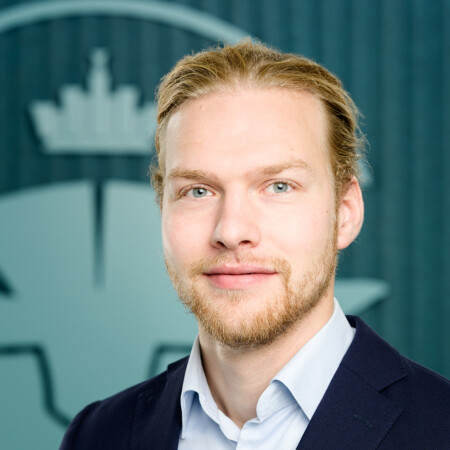
In Pioneers Speak, we interview Dutch maritime pioneers. We meet the people behind Dutch shipping and hear how they view the developments, challenges, and opportunities within the sector. In this edition, we speak with Anita van der Laan, director of Hanzevast Shipping. With her extensive experience in ship management and involvement in innovative sustainability projects, she shares her vision on entrepreneurship, the energy transition, the Dutch business climate, and the future of shipping.
“Shipping is ultimately not just about ships. It's about people, trust, collaboration, and connecting the world. That is precisely why I continue to work proudly and enthusiastically in this remarkable sector every day.”
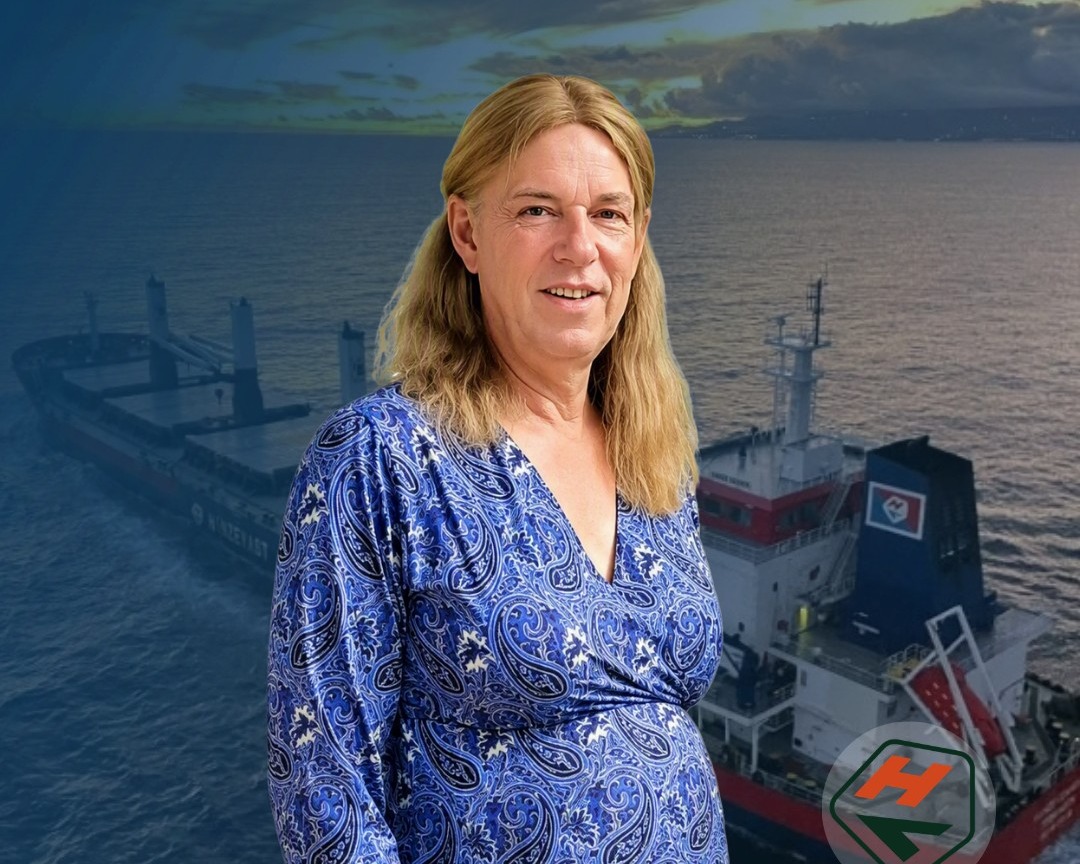
Who is Anita van der Laan?
For me, the maritime sector is much more than just ships transporting goods from A to B. It is a world where technology, entrepreneurship, sustainability, and international collaboration come together. As director of Hanzevast Shipping, I am involved daily in the commercial, technical, and operational management of our fleet. It’s not just about the performance of our ships, but mainly about creating sustainable value for investors, customers, crews, and society.
What motivates me to work in this sector is the immense dynamism. World trade, regulations, geopolitical developments, and technological innovations constantly influence our operations. At the same time, the core of our work remains unchanged: people worldwide working together to transport goods safely, efficiently, and responsibly.
In what or how is Hanzevast Shipping a pioneer, in your opinion?
When I look at what distinguishes Hanzevast, it is our integrated approach. We have the entire maritime value chain under our own management, from investment and acquisition to technical, commercial, and operational management. This allows us to keep control of key factors and quickly respond to market changes.
Which project or result from Hanzevast Shipping are you most proud of?
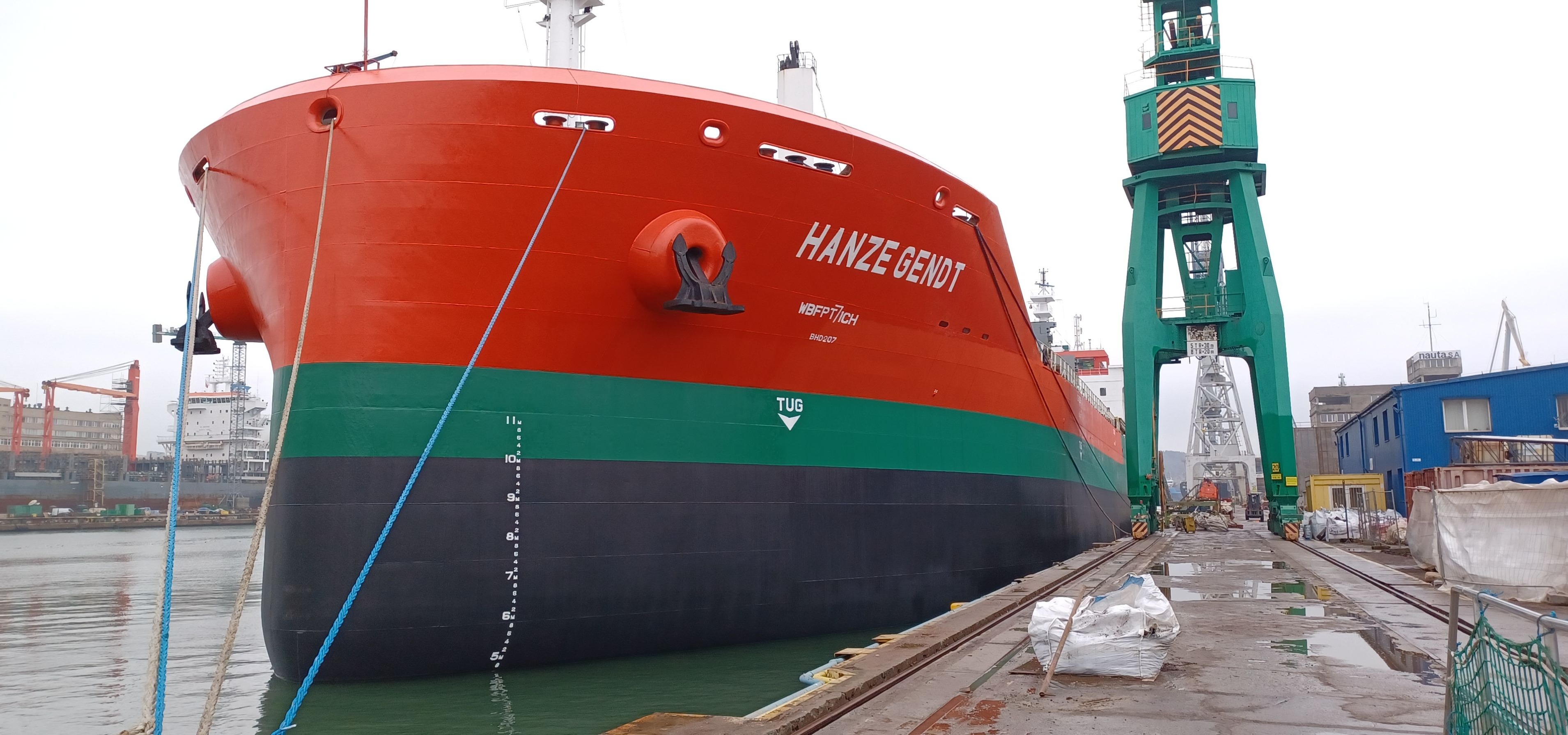
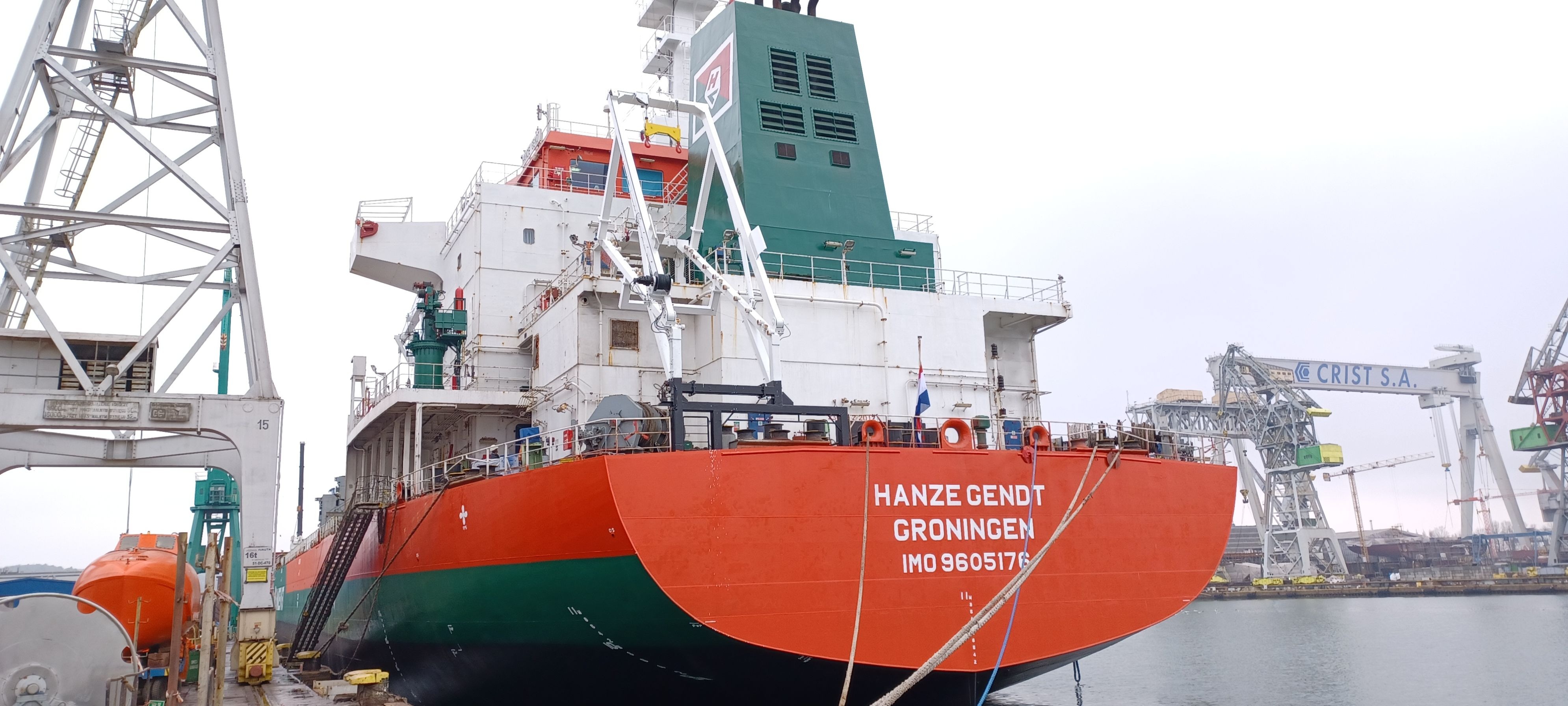
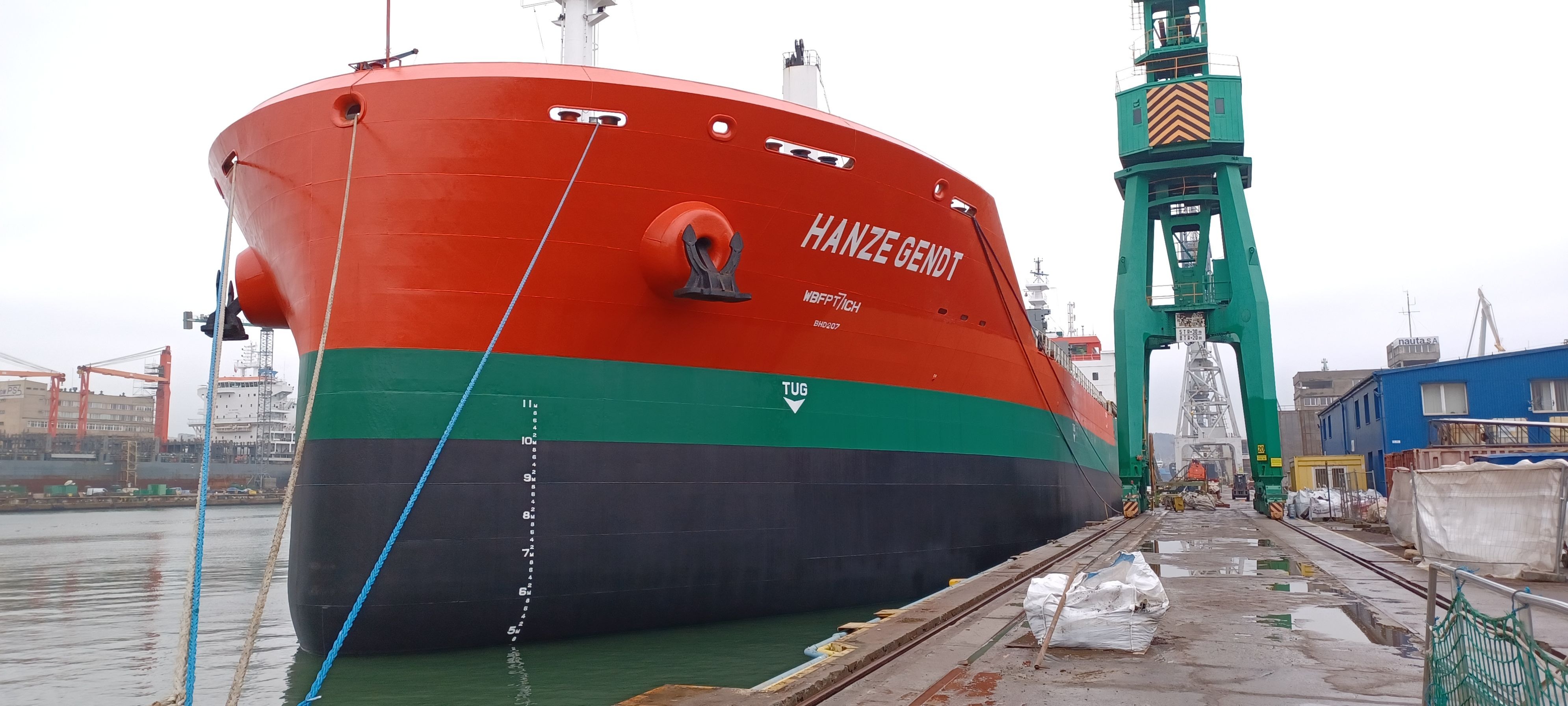
A result I am particularly proud of is the long-term successful management of our handysize bulk carrier fleet. Ships like the Hanze Gendt, Hanze Göteborg, and Hanze Genua have long been a strong foundation within our maritime activities. The successful 2024 issuance of the Hanzevast Opportunity Fund has helped provide the ships with a healthy financial basis for the coming years. Through active management, a strong focus on cost control, ongoing attention to safety, and close collaboration with partners, financiers, classification societies, and insurers, we have managed to keep this fleet competitive and future-proof.
How does your organization continue to lead in a rapidly changing sector?
Leading in a rapidly changing sector means continuously investing in people, digitalization, and sustainability. At Hanzevast, we not only look at today’s challenges but actively prepare for tomorrow's demands. At the same time, the human factor remains decisive. Ultimately, it is the people on board and ashore who ensure world trade continues to function every day.
What do you think is needed to make the sector future-proof?
To make the sector future-proof, collaboration is essential. No single organization can solve the challenges of emission reduction and sustainability alone. In this regard, we are proud of our participation in the CAROS project, in which we, together with Carbotreat Maritime, Conoship, TNO, and DNV, are researching how CO₂ capture can be applied to ships running on heavy fuel oil (HFO).
Within this project, our m.s. Hanze Gendt has been made available for onboard measurements, collecting valuable practical data on emissions and the possibilities for future CO₂ reduction. The fact that our fleet can contribute to the development of technology that potentially plays a significant role in the sustainability of global shipping makes me especially proud.
What challenges is the sector currently facing the most?
The sector currently faces significant challenges. The sustainability task is perhaps the largest. New emission requirements, alternative fuels, rising costs, and geopolitical uncertainty require major adjustments. Additionally, finding and retaining qualified maritime professionals remains a major challenge. It is the people on board and ashore who ultimately determine the sector's success.
Where do you see the greatest opportunities for the sector in the coming years?
I see enormous opportunities for the sector. Digitalization makes shipping safer, more efficient, and more transparent. New technologies offer possibilities to further reduce fuel consumption and emissions. There are also opportunities for innovative financing models where sustainability and returns go hand in hand. Companies that embrace these developments in a timely manner will reap the benefits in the coming years.
What tip would you give to improve the maritime business climate in the Netherlands?
If I could give one tip to further improve the maritime business climate in the Netherlands, it would be: ensure stable and predictable policy. Dutch maritime companies invest for the long term. This requires clear regulations, international competitiveness, and room for innovation. When entrepreneurs know what to expect in the coming years, they can invest with confidence.
What do you wish people outside the sector understood better about your work?
What I would like to convey to people outside the sector is that shipping is much closer to everyday life than often thought. Almost everything we use has made a journey across the sea somewhere in the chain. Behind every cargo, every port call, and every ship is a team of professionals working on safety, sustainability, and reliability. This makes the sector not only economically essential but also incredibly inspiring to be a part of.