IMO Net-Zero Framework: all eyes on IMO meeting October

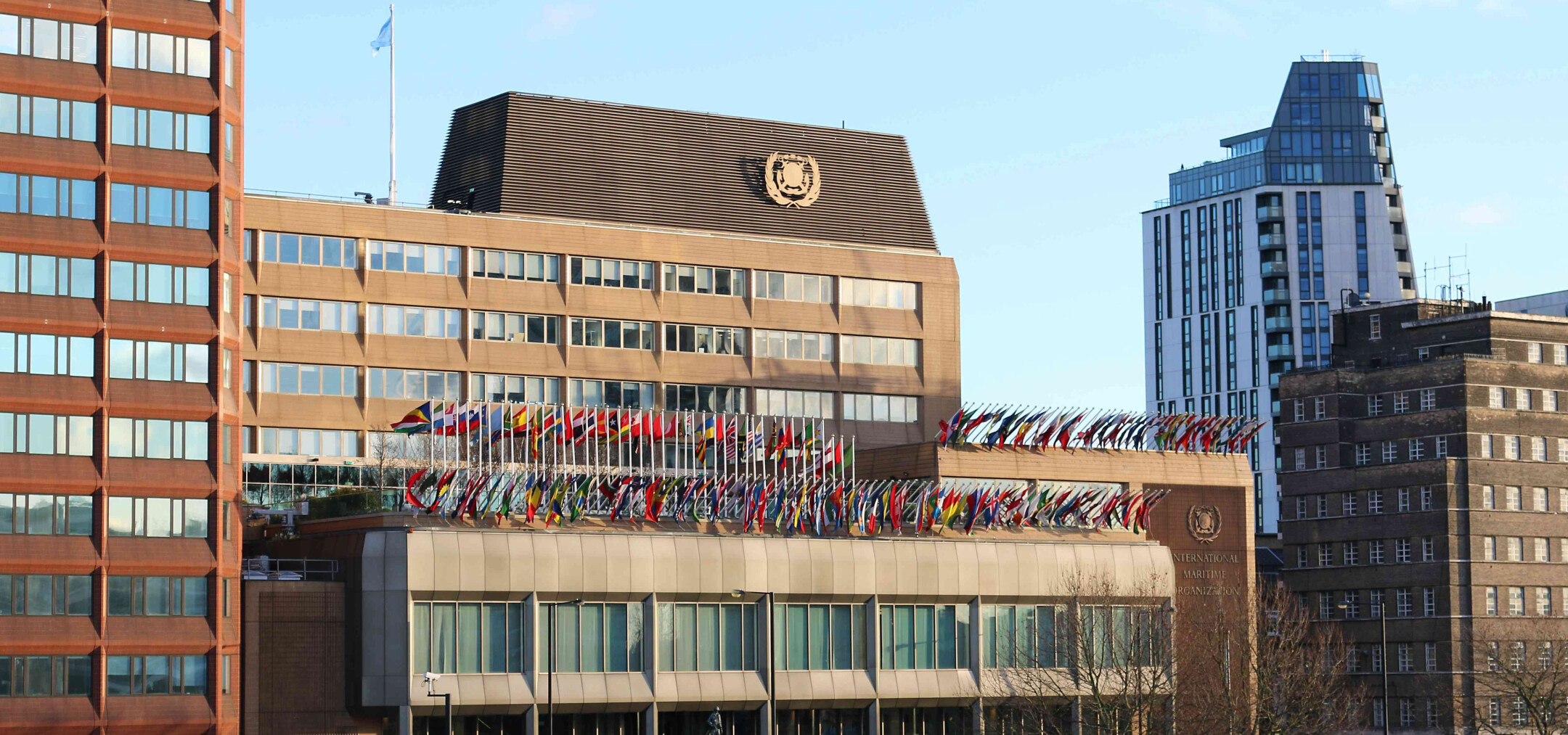
From 14 to 17 October 2025, there will be an extraordinary meeting of the
The IMO NZF comprises two elements. These are 1) binding emission standards for seagoing ships and 2) pricing of greenhouse gas emissions when emission standards cannot be met. This takes into account greenhouse gas emissions (intensity) from production to combustion of the relevant marine fuel (‘well to wake’). The measure is based on the principle that polluters pay and those who reduce their environmental impact are rewarded.
IMO voting by the book
Like any other UN body, the IMO operates on the basis of consensus and therefore, in principle, takes decisions unanimously. If there is no consensus on a particular proposal, a vote may be requested. To date, there has been only one occasion on which a vote had to be taken on a proposal within the IMO, and that was in 2010. It concerned the Energy Efficiency Design Index (EEDI), a measure that imposes design requirements on new ships in order to improve energy efficiency.
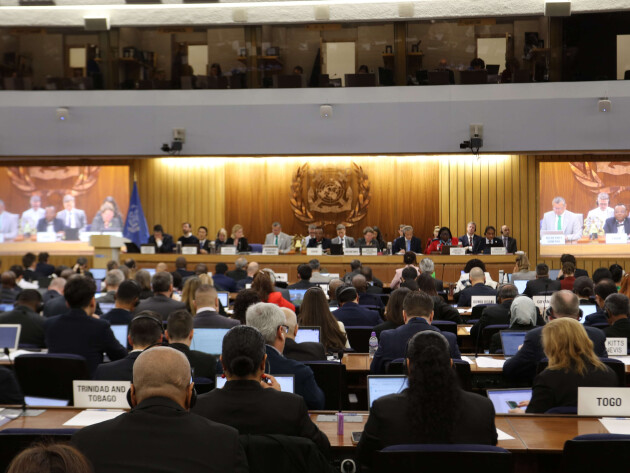
One vote, until 2025, because during the regular meeting of IMO MEPC (83) last spring, the IMO NZF was provisionally approved after an initial vote. The IMO has 176 member states. Not all 176 countries were present at this meeting, and 103 member states voted. Of the 103 countries present, 63 voted in favour, 16 against and 24 abstained. A simple majority is required for initial approval of a proposal within the IMO. In this case, 40 votes were needed to take the IMO NZF proposal a step further in the adoption process. This was therefore easily achieved.
It is expected that a vote on the adoption of IMO NZF will also take place during the extraordinary MEPC meeting in mid-October. As this now concerns final adoption and a new legislative proposal in the IMO MARPOL Annex VI Convention, only the 107 countries that have ratified MARPOL Annex VI will be allowed to vote during this vote. In addition, a two-thirds majority of the votes received is required to actually adopt IMO NZF. Abstentions will not be included in the count. This involves a two-thirds majority of the countries present that have ratified MARPOL Annex VI (i.e. a maximum of 72 countries if all 107 MARPOL Annex VI countries are present and vote for or against). It is expected, however, that not all of these countries will be present or abstain from voting.
A number of countries that voted against in the “first round” last April will therefore no longer have voting rights at the extraordinary MEPC meeting in October. This is because they have not ratified MARPOL Annex VI and are not allowed to vote at the upcoming meeting. Of the 16 countries that voted against the approval, nine remain that do have voting rights in the adoption process because they have ratified MARPOL Annex VI.
To complicate matters further, there is also the acceptance process. Based on IMO procedures, an adopted amendment will not go ahead if, within 10 months of adoption, at least 36 of the 107 countries that are party to MARPOL Annex VI or the number of countries representing at least 50% of the GT of the world merchant fleet raise a written objection. This could then be used as an “emergency brake option”. Countries that previously voted “in favour” could, in theory, change their position within those 10 months.
Deal or no deal?
Although it seems like a done deal in favor of the IMO NZF, world politics are currently tense. The key question remains whether enough countries will actually vote in favor. The KVNR anticipates that there will be enough of countries voting in favor of the IMO Net-Zero Framework. In addition, many countries (notably the Pacific Island States) that previously abstained from voting, because they found the IMO NZF insufficiently ambitious, have now expressed their willingness to vote in favor under the motto 'better something than nothing'.
The KVNR primarily receives signals from parties intending to vote in favor. It is unknown how successful the opposition will be. The U.S. government has publicly opposed the package and is also pressuring countries to vote against it. Such diplomatic tensions raise uncertainty about a consensus and likely lead to a battle for majorities in London.
he combination of the decision-making process within and beyond the IMO, along with the broader geopolitical context, makes this meeting an extraordinary one. Beyond that, the IMO Net-Zero Framework has the potential to be a transformative development for global shipping, both in terms of emission reduction and its impact on the business models of shipping companies.
IMO measures needed, not national or regional!
If member states manage to implement the IMO NZF, shipping will have a global framework with concrete measures towards net-zero emissions by 2050 for the first time. If the attempt fails, fragmentation of measures to reduce emissions threatens, and administrative burdens will increase: national and regional measures (such as EU-ETS) and fragmentation of fuel markets, with prolonged uncertainty for world trade and delay in the intended energy transition... Therefore, let's aim for one global Net-Zero Framework that is effective, fair, and well-implementable!