New International Shipping Routes
World Maritime Day 2025
Coming Thursday is World Maritime Day, this year with the theme "Our Ocean, Our Obligation, Our Opportunity". And following the LinkedIn post by Minister Tieman of Infrastructure and Water Management (
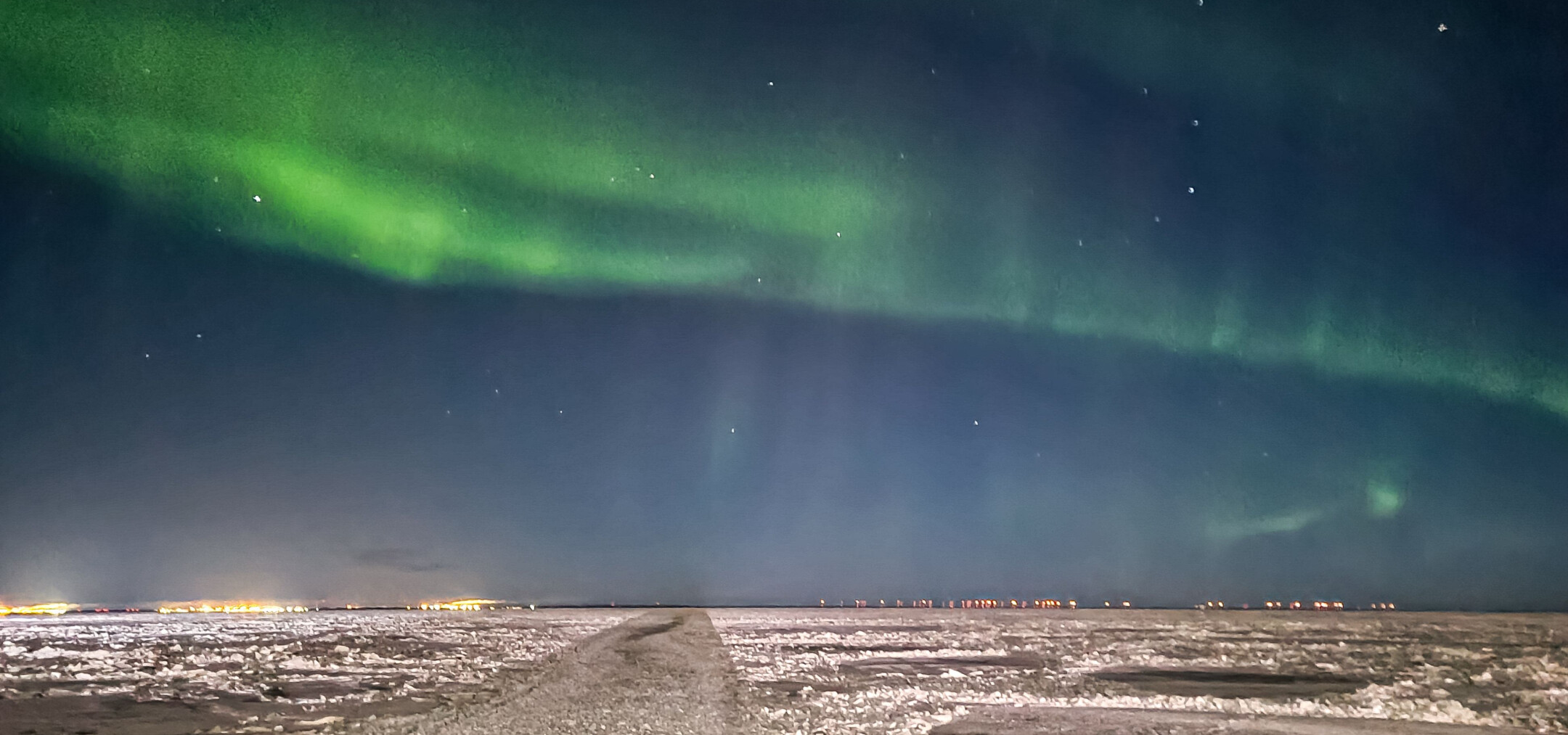
For many years, shipping routes through Arctic waters have been a topic of discussion. Due to the changing climate, these routes are becoming more navigable for longer periods. And although these maritime routes have several potential drawbacks, such as extreme winter conditions, limited infrastructure, and environmental issues, there are also several benefits from using these routes. These benefits are climate, strategic, and economic related.
The main maritime routes through the Arctic waters are:
The Northwest Passage is the route between the Atlantic and Pacific Oceans through Canada's polar archipelago. It is being increasingly used by international shipping.
The Northeast Passage is the shipping route from the Atlantic Ocean to the Pacific Ocean above Norway and Russia through the Northern Sea Route.
Example: Northwest Passage - a responsible alternative to the Panama Canal
The Northwest Passage presents several challenges. It is a relatively unknown shipping area that has been slowly explored beyond the long winter period in recent years due to climate change. Due to limited infrastructure the maritime traffic in this region is mostly reliant on itself. Despite the risks, it is becoming increasingly often a responsible choice to use this route. The best way to illustrate this is with an example:
A ship sailing from Tokyo to Rotterdam via the Panama Canal covers a distance of 12,539
And if you are no longer dependent on the Panama Canal or the Suez Canal, in addition to the disappearance of canal costs, you also avoid congestion and waiting times. This increases the predictability and reliability of planning for shipping companies and their customers.
It was briefly mentioned above: there is also a geopolitical advantage to using the Northwest Passage. As we have seen with the blockade of the Suez Canal by the container ship Ever Given in 2021 and the attacks by the Houthis on commercial shipping in the Red Sea region since 2023, these routes are vulnerable to blockades or conflicts.
As the region is being developed, we also increasingly see this area being visited as a final destination and not just for transit. The Northwest Passage, for example, due to the development of new (gas) markets in the Arctic region, is a maritime route that can no longer be ignored by shipping companies in an international market.
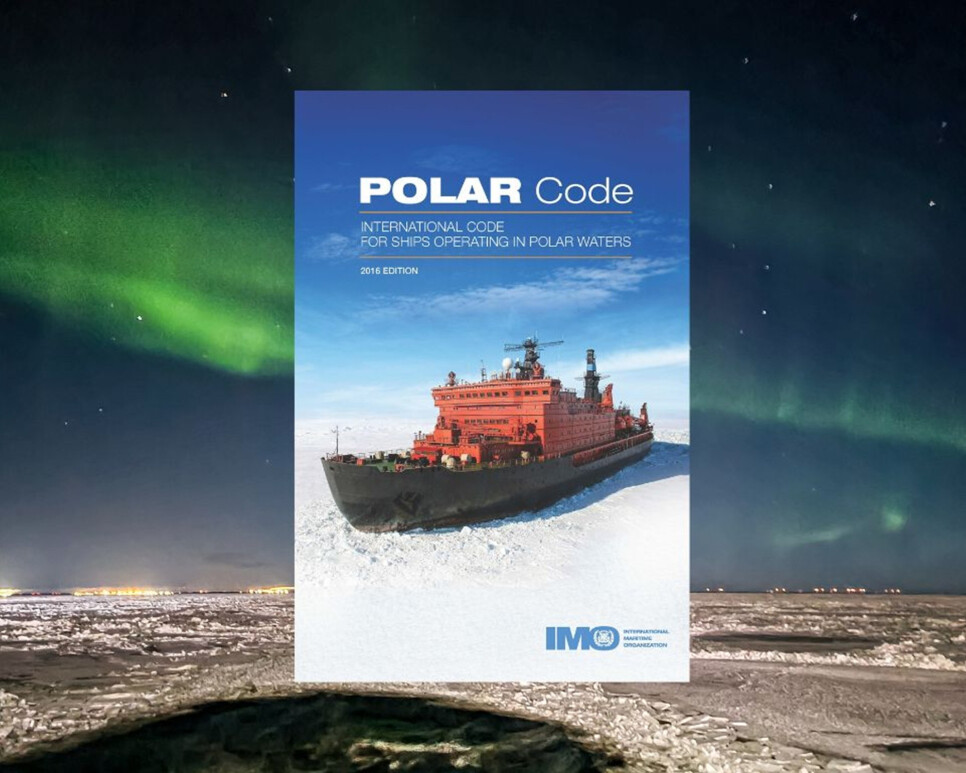
The Northwest Passage north of Canada is, in short, an attractive alternative to other routes and is justifiable despite concerns about the vulnerability of the Arctic region. Since 2017, there are binding international regulations to protect the polar areas from maritime risks; the International Code for Ships Operating in Polar Waters (Polar Code)
The Polar Code
The Polar Code was developed by the International Maritime Organization (
"Our Ocean, Our Obligation, Our Opportunity"
The IMO has implemented a ban on July 1, 2024, for the transport and use of heavy fuel oil as fuel on board ships when sailing in Arctic waters. With this ban, less black soot settles on the snow and ice, as black soot accelerates the melting of snow and ice.
The IMO is also working on requirements for a mandatory special 'polar fuel' to further reduce the impact of black soot (in ship exhaust) on the Arctic region. This set of rules ensures that the impact of sea vessels in and on the Arctic region remains minimal.
Entrepreneurship requires boldness, courage, and vision. For shipowners in marine transport, the literal playing field is the saltwater, worldwide. It's not for nothing that the KVNR upholds the credo that Dutch shipowners should be able to compete globally, but with clean ships that sail safely. They do this with attention to the environment in which they operate. Entrepreneurs must simultaneously be able to seize opportunities to get ahead of their competitors. The conditions must be the same. Therefore, it is so important that global regulations in the IMO ensure a level playing field. This way, the regulator can ensure that entrepreneurship is possible in a responsible way for people, climate, and the environment, while preserving the level playing field for businesses.