ETS Review: get the framework right for Europe's offshore sector

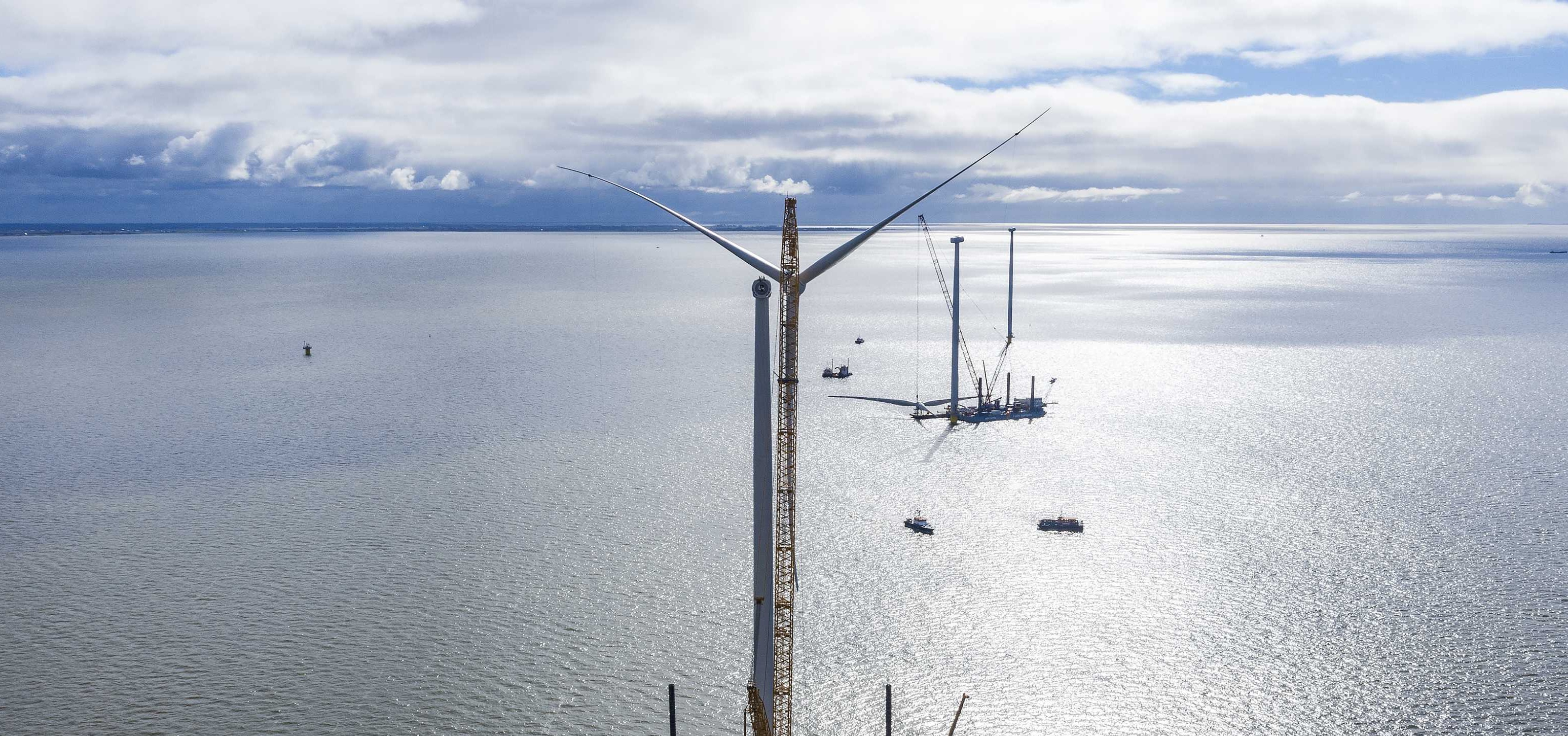
Europe’s offshore industry is a strategic asset. European companies are global leaders in the construction and maintenance of offshore windfarms, seabed, subsea infrastructure and other critical maritime infrastructure. Their vessels play an essential role in Europe’s energy transition, energy security and industrial competitiveness.
The undersigned associations fully support the EU’s climate objectives and the principle of carbon pricing. However, the planned inclusion of offshore vessels above 5000GT in the EU ETS from 2027 will impose significant financial obligations, distort competition and create opportunities for circumvention, based on an MRV reporting framework that was not designed for offshore operations and is widely recognised as not fit for purpose.
Our three calls to EU policymakers:
1. Safeguard the international level playing field for offshore vessels.
2. Get the framework right.
3. Get the timing right
Our three calls to EU policymakers:
1. Safeguard the international level playing field for offshore vessels.
Identical offshore operations must face the same CO₂ costs, regardless of the port from which a vessel operates. The revised legislation should establish a clear activity-based system and close loopholes that will incentivise operators to mobilise vessels from non-EU ports.
2. Get the framework right.
Define offshore activities, worksites and ports of call clearly, including seabed-related work. Replace unsuitable cargo, passenger and transport-work metrics and unnecessary voyage-by-voyage reporting with proportionate, harmonised, aggregated reporting.
3. Get the timing right
Do not impose ETS surrender obligations on offshore vessels until a revised, fit-for purpose MRV framework is implemented and demonstrated its ability to support reliable, fair and consistent emissions accounting. This is a sequencing request, not an exemption from carbon pricing!
Why this matters
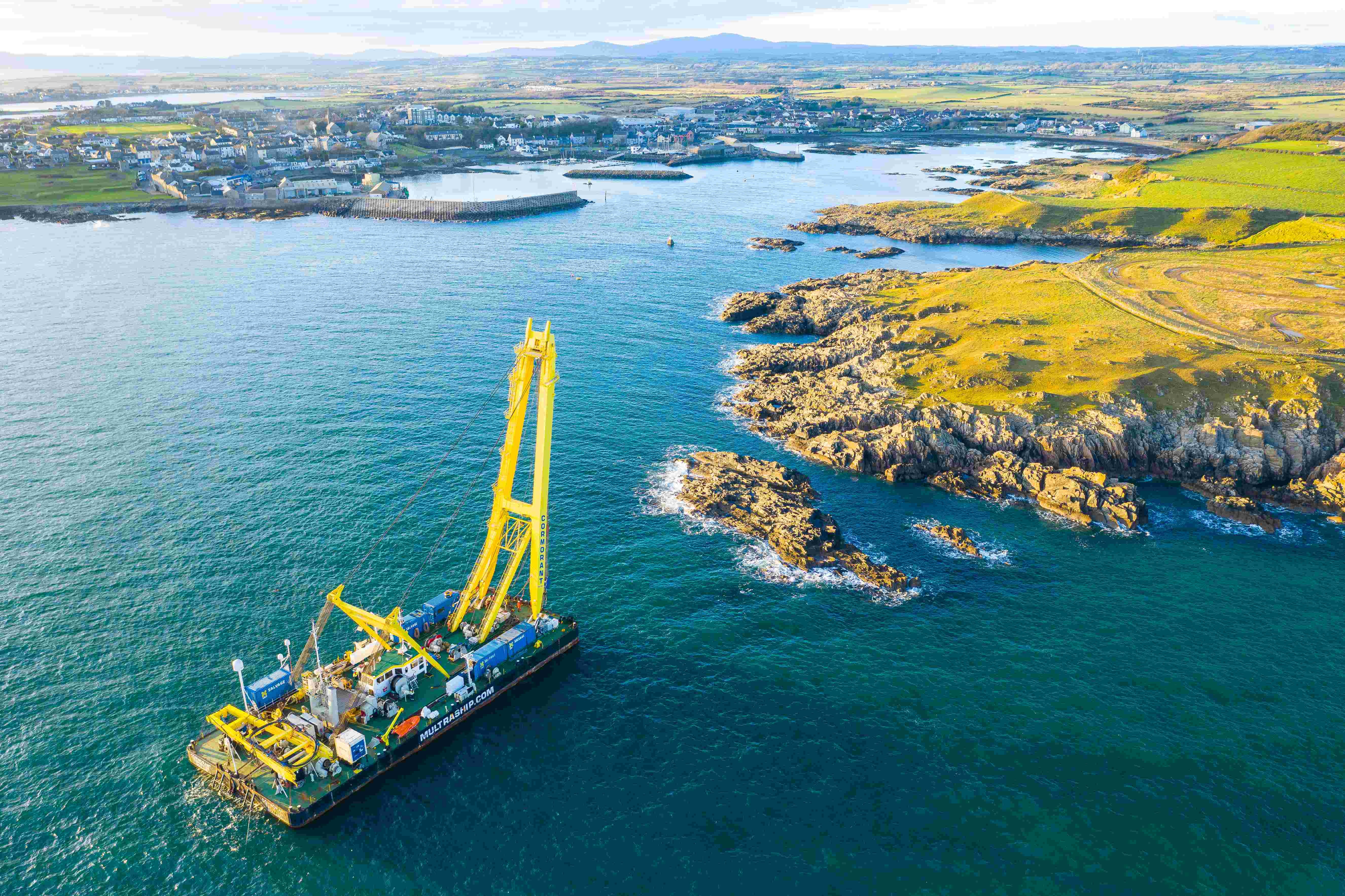
Unlike conventional shipping, offshore vessels do not primarily transport cargo or passengers between ports. They perform specialised, project-based activities such as installation, construction, maintenance, dredging and inspection at offshore worksites. Applying traditional concepts such as cargo, transport work and voyage-based reporting therefore does not reflect their operational reality.
More importantly, the current framework will distort the level playing field. Equivalent offshore activities can face different ETS exposure depending on the vessel’s deployment port: emissions will be fully covered when operating from an EU port, while the same activities from a non-EU port fall outside the EU ETS. This will shift offshore activity outside Europe, result in carbon leakage and weaken Europe’s strategic offshore capacity.
Offshore vessels of above 5000GT are nevertheless due to enter the EU ETS from 2027, before a fit-for purpose activity-based MRV framework is operational. Given the major flaws in the current methodology, this approach is disproportionate. The EU ETS and MRV review should therefore ensure that the reporting framework is fixed before ETS surrender obligations apply.
We urge the European Parliament and the Council to use the review to deliver one clear, fair and enforceable regime for offshore vessels.
First fix MRV. Then apply ETS.
Yours sincerely,
Iain Grainger, CEO, International Marine Contractors Association (IMCA)
Paris Sansoglou, Secretary General, European Dredging Association (EuDA)
Loïc Van Staey, Managing Director, Royal Belgian Shipowners’ Association
Annet Koster, Managing Director, Royal Association of Netherlands’ Shipowners
Knut Arild Hareide, CEO, Norwegian Shipowners’ Association
Laurent Martens, Director General, Armateurs de France
Anders Hermansson, CEO, Swedish Shipowners’ Association
Anne H. Steffensen, CEO, Danish Shipping